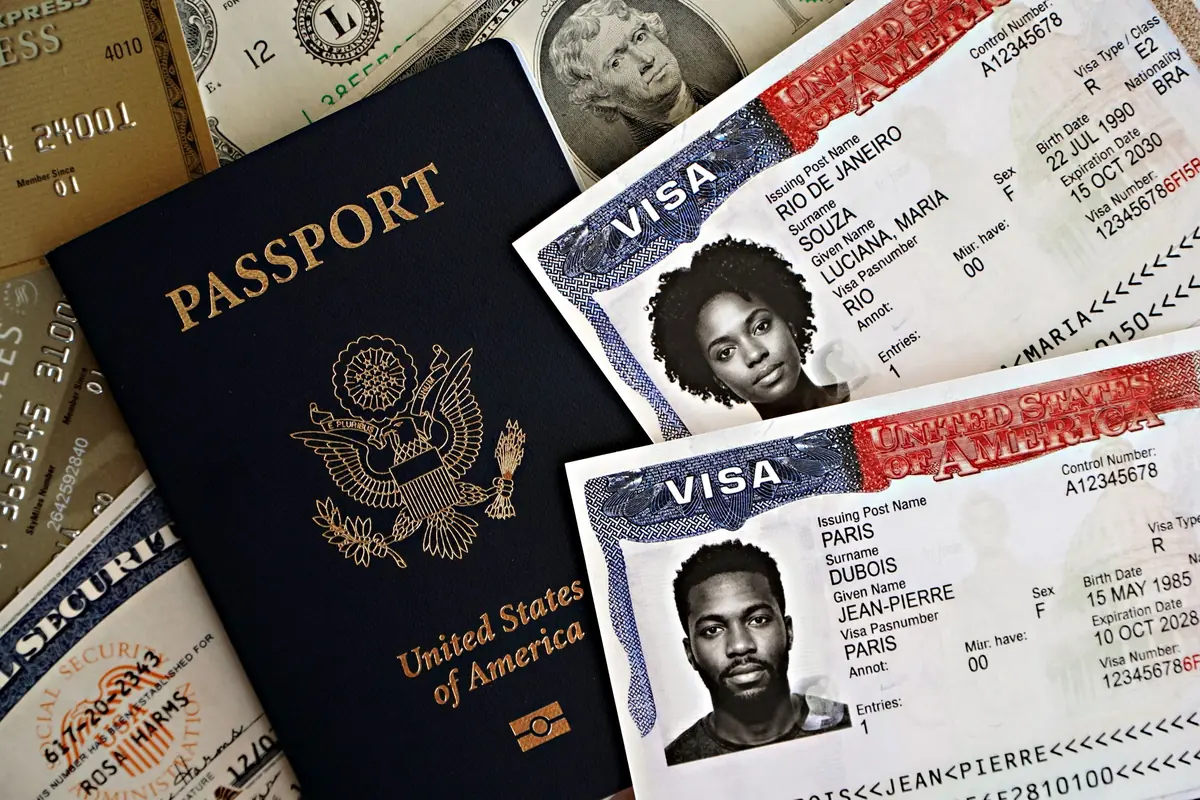
To sell gold or jewelry to a dealer in New York City you need to show identification, and in practice that means a valid government-issued photo ID such as a driver’s license, a state ID card or a passport. City rules require secondhand dealers to see ID from every person who sells them a used item, to record the type and number of that ID, and to have the seller sign in front of them. A reputable buyer cannot complete a purchase without it.
The ID is only part of the paperwork. Behind the counter, the dealer also records a description of each piece, photographs precious metal items for an electronic police database, and holds what it buys for a set period before reselling. This article explains what the city rules ask of dealers, what that means for you as a seller, and how to check that the business you are dealing with is licensed. It is a plain-language summary, not legal advice, and rules can change, so check current requirements with the city if your situation is unusual.
Who the rules apply to
In New York City, a person or business that buys or sells used goods other than cars must hold a Secondhand Dealer General license from the Department of Consumer and Worker Protection (DCWP), the agency formerly known as the Department of Consumer Affairs. Jewelry and precious metals are squarely covered. A business that lends money against jewelry needs a separate Pawnbroker license, which is a different transaction with its own rules; if that is what you are considering, see how pawn loans work in New York.
DCWP lists some exemptions from the secondhand dealer license, including garage sales, not-for-profit organizations, certain categories of goods such as books, paintings and clothing, and buying or selling conducted exclusively online. A walk-in gold and jewelry buyer is not in any of those categories.
What counts as acceptable ID
The city’s rule for secondhand dealers (6 RCNY §2-101, as summarized in DCWP’s inspection checklist) says an ID must be shown by each customer who sells a used item, and lists acceptable forms as:
- An official document issued by the U.S. government or a state, county or municipality, a public agency, or a public or private employer, which must contain a signature.
- A police, fire department or postal department badge containing numbers.
Dealers generally go further than the minimum and ask for a government photo ID. Buyers of New York’s pages, for example, ask sellers to bring a valid government-issued photo ID such as a driver’s license, state ID or passport. In practice, these are the documents that work at almost any counter:
| Document | Usually accepted? | Notes |
|---|---|---|
| State driver’s license | Yes | Any U.S. state. Make sure it is current. |
| State non-driver ID card | Yes | Same standing as a license for this purpose. |
| U.S. passport or passport card | Yes | Issued by the federal government and carries a signature. |
| IDNYC card | Ask first | Municipal ID; individual dealers set their own policy on which IDs they take. |
| Foreign passport | Ask first | The rule’s wording lists U.S. issuers; call the dealer before you travel. |
| Expired ID, photocopy or phone photo of an ID | Generally no | Bring the original, current document. |
If your only identification is something other than a current U.S. license, state ID or passport, call the buyer before making the trip and ask what they will accept.
What the dealer writes down
Under NYC Administrative Code §20-273(a), a secondhand dealer must keep a written record, in English, of every purchase and sale. According to DCWP’s checklist, that record includes:
- A detailed description of the item. For jewelry, that means the metal (gold, silver, platinum or other) and any gemstones, with type, size and color.
- Identifying marks such as monograms or inscriptions.
- The name and address of the person who sold the item.
- A general description of that person.
- The date and time of the purchase.
The dealer must also record the type, description and number of the ID you showed, and keep your signature. DCWP’s checklist is specific on this: the seller signs in front of the dealer, and a copy of the ID does not satisfy the signature requirement. So expect to sign something at the counter. Written records must be kept for three years and be open to inspection by DCWP inspectors and NYPD officers.
If you are selling an engraved wedding band or a monogrammed cigarette case, the engraving goes into the record. That is normal and is exactly what the record is for.
Photos and the electronic police database
Dealers who buy gold, silver, platinum or other precious metals, including jewelry made partly of precious metal and items bought for melting or refining, must also keep electronic records. DCWP’s checklist says these must include the date, time and location of each transaction, an accurate description of each item including any serial number, inscriptions or distinguishing marks, and digital photographs of each item. The checklist names LeadsOnline as the system where these records are kept, and says they must be retained for six years. The rule sits in NYC Administrative Code §20-273(b) and the NYPD’s rules in Title 38 of the Rules of the City of New York.
For a seller this means two things. Your sale is documented in a system police can search, which is how stolen jewelry gets traced back to its owner. And the dealer will photograph your pieces at the counter. Neither should worry someone selling their own property; both are reasons legitimate buyers follow the same routine every time.
The waiting period and the ban on buying from minors
Two more rules shape what happens after you sell:
- No resale for 15 days. DCWP’s checklist, citing NYC Administrative Code §20-268(d), says secondhand items, including jewelry, cannot be sold within 15 days of purchase. That window gives police time to match reports of stolen property against dealer records before the piece moves on.
- No purchases from minors. DCWP’s checklist, citing §20-268(b), says secondhand items cannot be purchased from a minor, and the age of majority in New York is 18. A teenager cannot sell jewelry at the counter, even a piece that was a gift to them. If an item belongs to a minor, the adult who is legally able to sell it has to be the seller of record.
Selling something that belonged to someone else
The person standing at the counter, showing ID and signing, is the seller of record. That matters in a few common situations:
- Selling for a parent or relative. If you are selling a family member’s jewelry with their consent, you will be recorded as the seller. Some buyers will want the owner present, or a signed authorization, especially for high-value pieces.
- Selling as an executor or administrator. Estates are a common reason people come to the Diamond District. Bring your own ID, and it helps to have your letters testamentary or letters of administration from the Surrogate’s Court with you. Our guide for families and executors on selling inherited jewelry, coins and watches covers the estate side in detail.
- Divorce or a returned engagement ring. Ownership questions between people are a legal matter, not something a dealer can settle. If ownership is disputed, sort that out before selling.
Scales, signs and other things you are entitled to see
The same checklist sets out what a legitimate jewelry buyer’s counter should look like. Under 6 RCNY §3-81, a business that buys gold, silver, jewelry or other precious metal must have a scale and inform the seller of the troy weight of the metal. The scale must be a type approved by New York State, display divisions of 0.01 troy ounce or finer, and be marked Class II or III. DCWP’s combined license and complaint sign must be posted where customers can see it, and the license number must appear on printed matter given to customers, such as receipts and business cards.
So before you hand anything over, look for the posted DCWP license sign and the scale display. If you want to confirm that a business holds a current license, DCWP’s licensing information is available through nyc.gov or by calling 311.
The paperwork side of a sale, in order
Put together, the rules produce a predictable sequence at a licensed counter. The order can vary slightly from one buyer to the next, but a sale usually looks like this:
- You hand over your ID, and the buyer checks that the photo matches you and that the document is current.
- Your items are examined, tested and weighed, and the troy weight of the precious metal is shown or told to you.
- You get an offer. Nothing about the paperwork commits you to accepting it.
- If you accept, the buyer writes up the purchase record: item descriptions, any engravings or marks, your name, address and ID details, and the date and time.
- Your items are photographed for the electronic record.
- You sign in front of the buyer, and you are paid.
If you decline the offer, the purchase record is not needed, and your items come back to you. A buyer who wants your signature on a blank or incomplete form before an offer is made is doing things out of order; ask why.
Privacy: who sees your information
Sellers sometimes hesitate at the ID step because they do not want their name attached to a sale. The records described above exist for law enforcement and licensing inspection: the city’s rules make them available to DCWP inspectors and NYPD officers, and the electronic records sit in the police reporting system. They are not a public list. A careful buyer will not discuss who sold what with anyone else, and will handle estate, divorce and other personal situations quietly.
What you should not do is look for a buyer who will skip the ID. A dealer willing to break the record-keeping rules for you is a dealer willing to break them in other ways, including on the scale. The ID requirement protects honest sellers too: if your own jewelry is ever stolen, the same records are what give police a chance of finding it.
Outside New York City, and a note on taxes
The rules above are New York City’s. Outside the five boroughs, secondhand and precious metal dealers are regulated by a mix of state law and local ordinances, and requirements differ from one county, city or town to the next. Some localities set their own holding periods, record formats or reporting systems. Expect to show government photo ID almost anywhere, but if you are selling outside the city, ask the buyer which local rules apply.
Taxes are your responsibility, not the dealer’s form
Showing ID to sell jewelry is about tracing stolen property, not tax collection. Whether you owe tax on a sale depends on what you paid, how long you owned the piece and whether it was inherited. The IRS treats profit on collectibles such as coins and art differently from ordinary investments, with a maximum 28 percent rate on long-term collectible gains, and inherited property generally takes its value at the date of death as its basis. If you are selling something worth more than you paid, or a large inheritance, ask an accountant before you sell, not after.
What to bring, and how a visit works
Bring a current government photo ID, the pieces you want to sell, and any receipts, certificates, boxes or papers for diamonds, signed jewelry and watches. If you are acting for an estate, bring your court letters too. At Buyers of New York, 30 W. 47th Street, Suite 8006, the visit runs in a set order: your items are sorted and identified, tested and weighed in front of you, and the offer is calculated in the open before you decide. You will be asked for ID and a signature because the city requires both. You can read each step on the Buyers of New York process page. Walk-ins are welcome Monday through Friday from 10am to 6pm; for a large estate or several high-value pieces, call (212) 642-4345 first. If you want to check something before the trip, such as whether a particular ID will be accepted, ask when you call or see what happens when you walk in.
More questions sellers ask
Can I sell jewelry with an expired ID?
Generally no. Dealers need a current document they can record, so bring an unexpired driver license, state ID or passport. If an expired document is all you have, call the buyer before you travel.
Do I need a receipt to prove the jewelry is mine?
Not usually. City rules focus on recording who the seller is and describing the items, not on proof of purchase. Receipts and boxes still help with identifying designer pieces and diamonds.
Can someone else sell my jewelry for me?
The person at the counter who shows ID and signs is the seller of record. Some buyers will ask for the owner to be present or for written authorization on high-value pieces, so ask in advance.
Does the dealer keep a copy of my ID?
Dealers must record the type, description and number of the ID you show, along with your name, address and signature. How they store it beyond what the rules require depends on the business, so ask if you want to know.
Will selling jewelry be reported to the IRS?
The city records exist for police and licensing inspection. Whether you owe tax on a sale depends on your own circumstances, such as cost, holding period and inheritance, so ask an accountant about any significant sale.