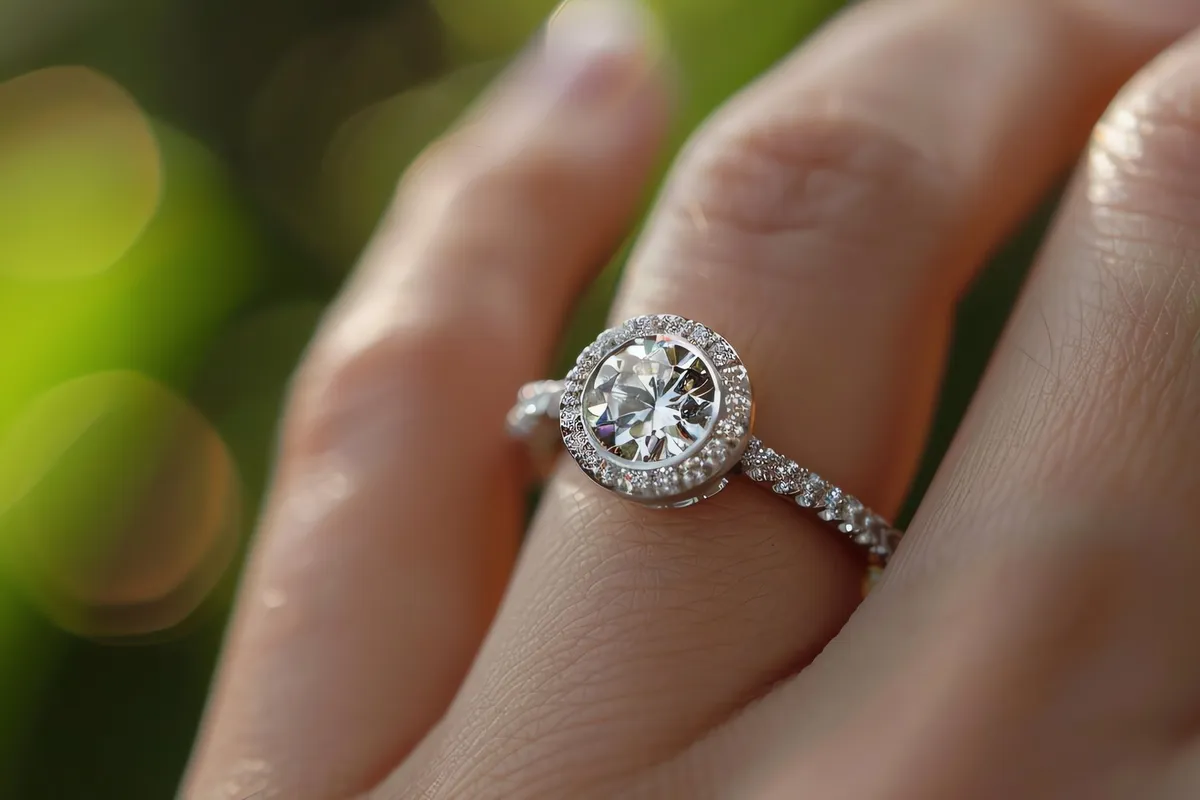
If you’ve been thinking about how to sell diamonds NYC and get a fair price for what you have, you’re not alone. Every week, people walk into buyers across the city carrying stones they inherited, stones from ended relationships, or pieces they simply no longer wear, and most of them have no idea what to expect. The process doesn’t have to be confusing, but going in unprepared can cost you real money. Here’s what you should know before you go anywhere.
Your Diamond’s Price Tag at the Store Was Never the Whole Story
One of the most common moments of frustration happens when someone brings in a diamond they paid $8,000 for and hears an offer that feels shockingly low. What’s happening isn’t a scam, it’s the reality of retail markup. Jewelry stores routinely mark up diamonds 100% to 200% above what they paid for them. That markup covers rent, staff, advertising, and profit. When you go to sell, you’re entering the wholesale market, not the retail one.
The actual value of your stone comes down to the four Cs, cut, color, clarity, and carat weight, plus current market demand. A well-cut, colorless, eye-clean stone in the one-carat-plus range will always attract stronger offers than a heavily included stone with a poor cut, regardless of what you paid for it originally. Understanding this going in keeps expectations grounded and helps you evaluate offers more clearly.
If you’re unsure whether your stone has documentation, read up on whether you need a GIA certificate to sell a diamondit covers certified and uncertified stones in plain language and is worth five minutes of your time before your appointment.
Where You Sell Matters More Than Most People Realize
Not every buyer operates the same way, and in a city this size, the range is enormous. Pawn shops, online platforms, estate buyers, and dedicated diamond buyers all exist in the same market, but they don’t all offer the same value. Pawn shops are built around quick liquidity and low risk, which means their offers on diamonds tend to be conservative. Online platforms can work for certain stones, but shipping a diamond and waiting weeks for a payout isn’t everyone’s preference.
Working with an established buyer who specializes in diamonds and fine jewelry, someone with deep experience evaluating stones and a direct connection to the resale market, typically produces better results. Buyers of New York, located in the Diamond District on 47th Street, has built a reputation precisely on this kind of expertise. Clients who’ve worked with them often come away impressed not just by the offer, but by how clearly the evaluation process is explained. That transparency matters when you’re making a significant financial decision.
If you have a rare or colored stone, the process is even more specialized. Pink diamonds, for example, have their own distinct market, you can learn more about selling a pink diamond in NYC and what makes those stones particularly valuable to the right buyer.
What to Bring, What to Say, and What to Watch Out For
Walking in prepared makes a real difference. Bring any documentation you have, GIA or IGI certificates, original receipts, appraisals. None of these are required to get an offer, but they give the buyer more to work with and can support a stronger number. If the stone is set in a ring or pendant, that’s fine, experienced buyers evaluate stones in their settings all the time.
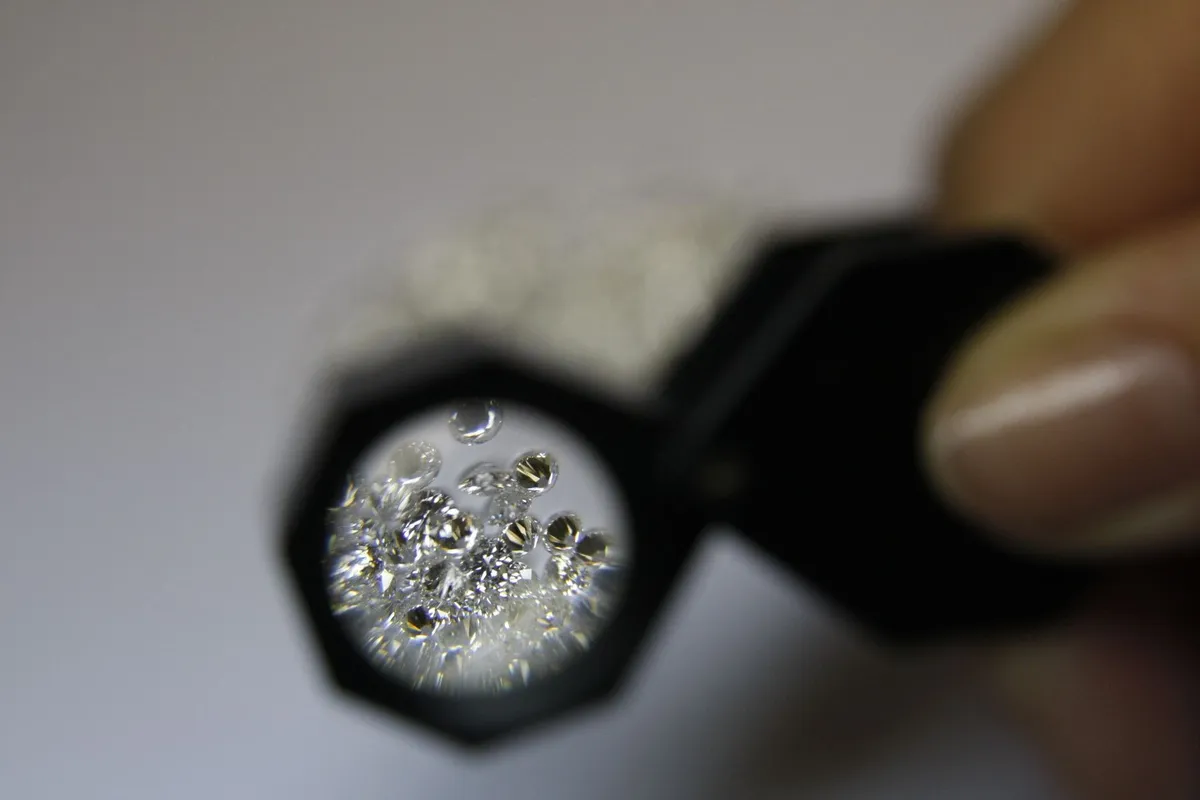
When you sit down with a buyer, don’t be afraid to ask questions. How are they calculating the offer? What factors are they weighing most heavily? A buyer who can’t or won’t explain their process is a red flag. The best buyers walk you through the evaluation in real time, they’ll tell you what they’re seeing under magnification, how the cut grades out, and where the stone lands on the color and clarity scale.
One thing worth watching: some buyers will make an offer on the metal separately from the stone. If your diamond is set in a platinum or gold mounting, that metal has its own value. Make sure any offer accounts for both. A good buyer handles this automatically, but it’s worth confirming.
Also, get more than one offer if you have the time. The Diamond District makes this easy, multiple reputable buyers operate within a few blocks of each other. Comparing two or three offers in the same afternoon is entirely reasonable and most buyers expect it.
Timing, Market Conditions, and When to Pull the Trigger
Diamond prices aren’t as volatile as gold, but they do move. The rise of lab-grown diamonds over the past few years has put some downward pressure on the resale market for smaller, lower-grade natural stones. That said, high-quality natural diamonds, particularly those above one carat with strong cut and color grades, have held their value well and continue to attract serious buyers.
If you’ve been sitting on a stone for a while waiting for the “perfect moment,” the honest answer is that the market rewards quality more than timing. A well-graded stone will find a buyer at a fair price in most market conditions. Waiting indefinitely rarely produces a meaningfully better outcome, and in some cases, the opportunity cost of holding adds up.
The smarter move is to get informed, get evaluated, and make a decision based on real numbers rather than guesswork. If you want a deeper look at the full process before your first appointment, this guide to selling diamonds in NYC covers the steps from start to finish and is a solid starting point for anyone new to the process.
The bottom line: knowing what you have, understanding how buyers evaluate it, and choosing the right buyer makes a bigger difference than almost anything else. Do those three things and you’re already ahead of most people who walk through the door.
Frequently Asked Questions
Why is the offer I’m getting so much lower than what I originally paid for my diamond?
Retail jewelry stores typically mark diamonds up 100% to 200% above their actual cost, covering expenses like rent, staff, and advertising, so the price you paid was never a direct reflection of the stone’s market value. When you go to sell, you’re dealing in the wholesale market, not the retail one, and the offer reflects what a buyer can realistically move the stone for. The four Cs, cut, color, clarity, and carat weight, along with current demand are what actually drive the number you’ll hear.
Do I need to have a GIA certificate to get an offer on my diamond in NYC?
No, a certificate isn’t required, buyers can and do evaluate uncertified stones every day. That said, bringing any documentation you have, including GIA or IGI certificates, original receipts, or appraisals, gives the buyer more to work with and can support a stronger offer. If you’re unsure how certification affects your specific situation, it’s worth reading up on the difference before your appointment.
Is it worth visiting more than one buyer before I decide to sell?
Yes, and most reputable buyers in the Diamond District fully expect it. Because multiple established buyers operate within a few blocks of each other on 47th Street, you can realistically compare two or three offers in the same afternoon without much hassle. Getting more than one number gives you a real baseline and makes it much easier to recognize a fair offer when you see one.
If my diamond is still set in a ring, does that affect the evaluation or the offer?
Experienced buyers evaluate stones in their settings regularly, so you don’t need to have the diamond removed beforehand. What matters is making sure any offer accounts for both the stone and the metal separately, a platinum or gold mounting has its own value that should be included in the total. A good buyer handles this automatically, but it’s a straightforward question worth asking to confirm before you agree to anything.
Has the growth of lab-grown diamonds hurt what I can get for a natural stone?
It has put some downward pressure on the resale market, but mainly for smaller, lower-grade natural stones. High-quality natural diamonds, particularly those above one carat with strong cut and color grades, have held their value well and continue to attract serious buyers. If your stone falls into that category, market timing matters far less than the quality of the stone itself and choosing the right buyer.
Get Directions to Buyers of New York
🎧 Listen to this as a podcast
Also on Apple Podcasts, Spotify, and Amazon Music.