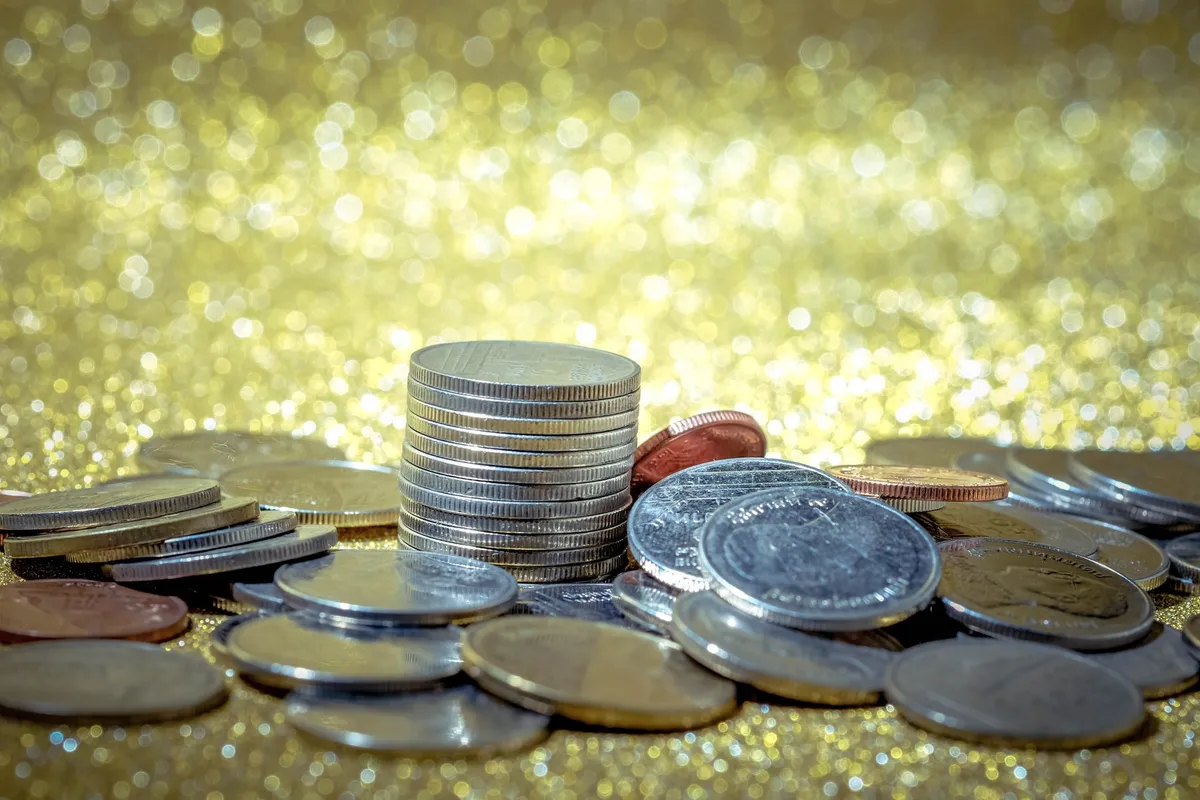
Every week, people walk into Buyers of New York carrying old coin collections, some inherited, some accumulated over years of casual collecting, ready to sell gold and silver coins but not entirely sure what they’re actually holding. That gap between “I think this is worth something” and “here’s what it’s actually worth” can be costly. Before you hand anything over, there are a few things worth understanding about how this market actually works.
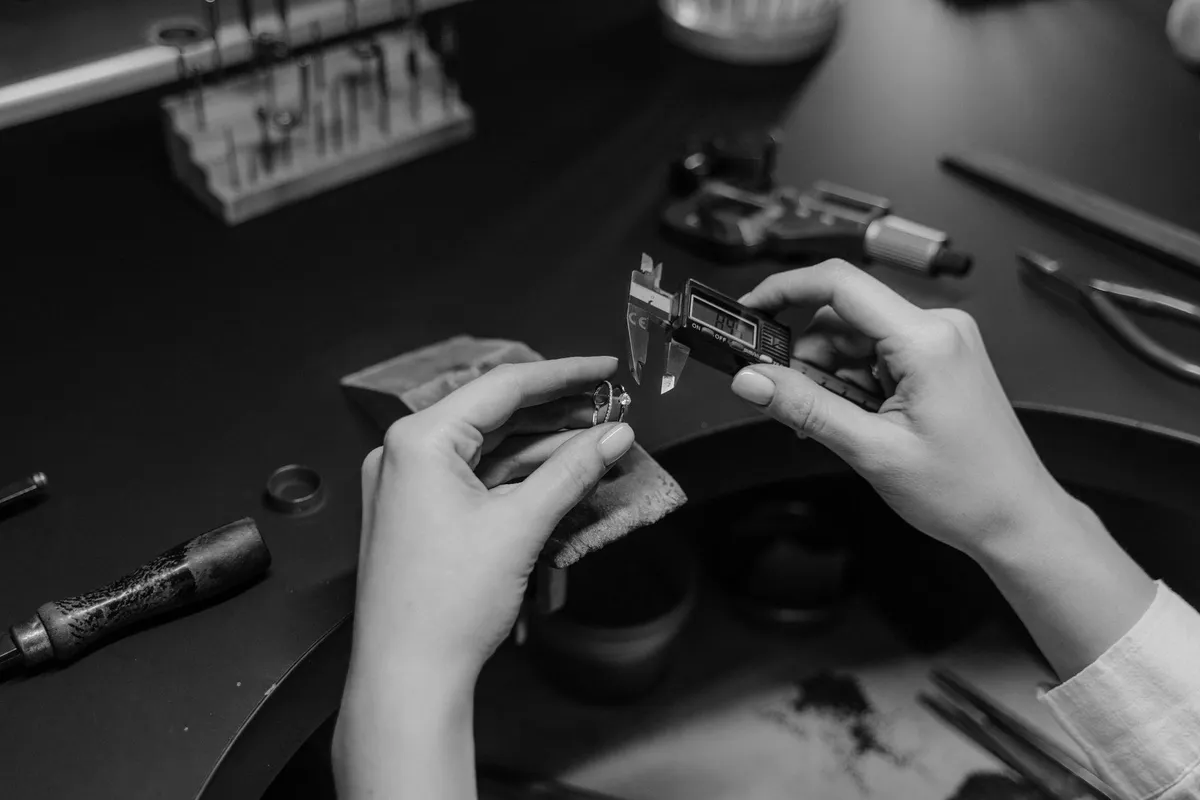
Your Coins Are Being Evaluated on Two Very Different Scales
This is the part that trips up most first-time sellers. A coin’s value doesn’t come from one source, it comes from two, and they don’t always move in the same direction.
The first is melt valuewhat the raw metal is worth based on current spot prices for gold or silver. A 1 oz American Gold Eagle, for example, carries a melt value tied directly to whatever gold is trading at that day. The second is numismatic valuethe collector premium that comes from rarity, historical significance, condition, and demand among collectors.
Here’s where it gets interesting: a coin with high numismatic value can be worth dramatically more than its metal content alone. A rare date Morgan Silver Dollar in excellent condition might fetch several times its silver melt value. But a common-date coin in worn condition? You’re likely getting paid close to melt, and that’s fine, as long as you know going in.
The mistake people make is assuming all old coins carry a collector premium, or conversely, assuming their coins are “just metal.” Both assumptions leave money on the table. A reputable buyer will assess both dimensions before making an offer.
Condition Matters More Than Most People Expect
If you’ve inherited a coin collection and the coins have been sitting loose in a drawer or a zip-lock bag for decades, pay attention here. Condition is everything in the numismatic world, and a few small scratches or spots of tarnish can meaningfully affect what a collector-grade coin is worth.
One of the most common, and damaging, things sellers do before coming in is clean their coins. It seems logical. You want them to look their best. But cleaning a coin almost always reduces its value to collectors. The natural patina that develops over time is considered part of the coin’s authenticity. Scrubbing it off signals tampering to any experienced buyer. If you’re curious about why this matters so much, this piece on why cleaning can cost you before selling coins or antique jewelry breaks it down clearly.
The same logic applies to how you store and transport coins. Keep them in their original holders if possible. If they’re already graded and encapsulated by PCGS or NGC, that certification matters, it protects both the coin and your negotiating position.
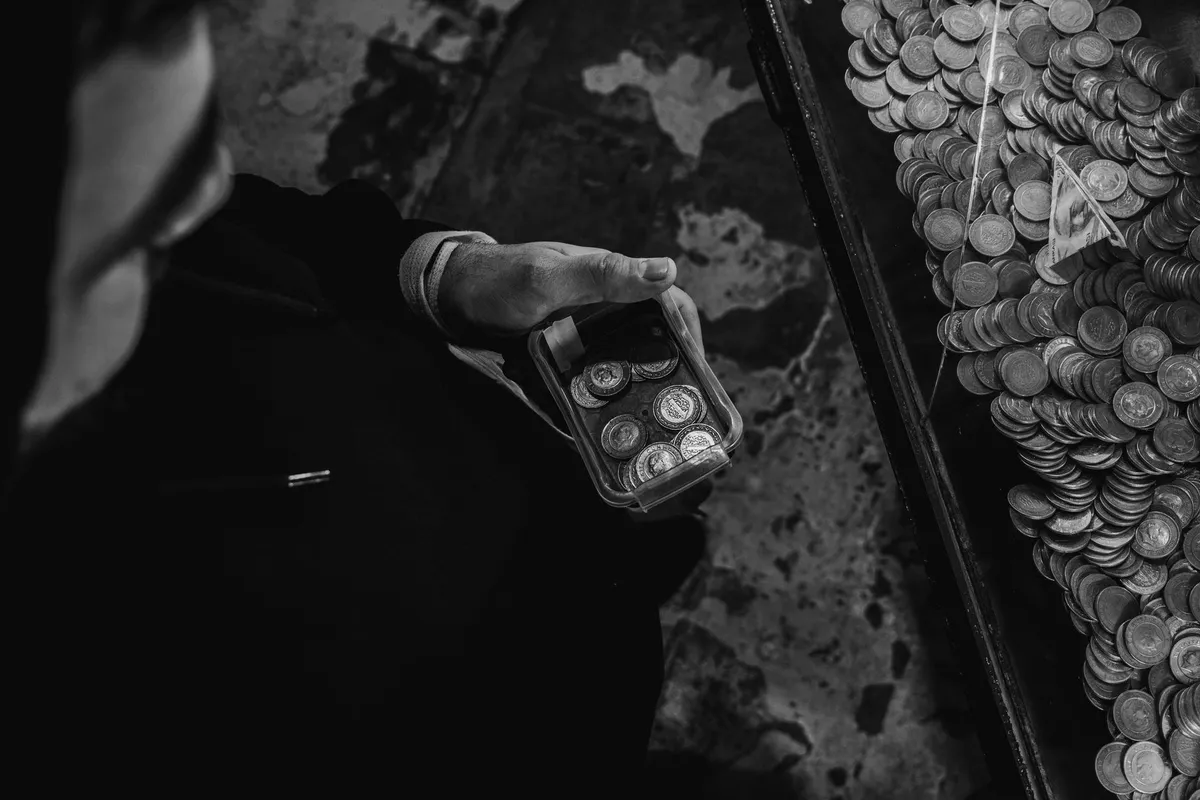
Not Every Buyer in the City Looks at Coins the Same Way
New York has no shortage of places that will buy precious metals. Pawn shops, online platforms, jewelry buyers who dabble in coins, the options are everywhere. But there’s a real difference between a buyer who understands the numismatic side of things and one who simply weighs metal.
If you bring a collection of rare pre-1933 U.S. gold coins to someone who only thinks in terms of melt value, you’ll walk out significantly underpaid. The same goes for silver, certain key-date coins in a silver collection can be worth multiples of their metal value, but only to a buyer who knows what they’re looking at.
For anyone with a mixed collection, some bullion coins, some potentially collectible pieces, it’s worth taking the time to understand what you have before accepting any offer. A good starting point is reading through how to approach the process of selling precious metal coins in NYCwhich walks through what to expect step by step.
Buyers of New York has been working with coin sellers across Manhattan for years, and the feedback from people who’ve come in after a bad experience elsewhere tends to follow the same pattern: they wish they’d asked more questions before accepting the first offer they received.
Timing and Spot Prices Are Part of the Equation
Gold and silver prices fluctuate daily, and those fluctuations directly affect what your coins are worth on the melt side of the equation. Selling on a day when gold is sitting near multi-year highs is a meaningfully different outcome than selling during a dip, especially if you’re moving a large quantity of bullion coins.
You don’t need to become a commodities trader to sell coins intelligently, but it’s worth checking the spot price of gold and silver before you walk in anywhere. Free tools online update in real time. Knowing the current spot price gives you a baseline, if a buyer’s offer seems dramatically below what the metal alone should be worth, that’s a signal worth paying attention to.
If you have silver coins specifically and want a deeper look at what affects their value, the sell silver coins page covers the key factors worth knowing before you commit to a sale.
The bottom line is straightforward: the sellers who come in prepared, who know roughly what they have, understand the difference between melt and collector value, and have checked current spot prices, consistently walk away with better outcomes. That preparation takes maybe an hour. The difference in your payout can be far more significant than that.
Frequently Asked Questions
How do I know if my old coins are worth more than just the metal they’re made of?
The key factors that push a coin above its melt value are rarity, historical significance, condition, and collector demand, not just age. A common-date coin in worn condition will likely get you close to melt, while something like a rare-date Morgan Silver Dollar in excellent shape can fetch several times its silver content alone. If you’re unsure which category your coins fall into, bring them to a buyer who evaluates both the numismatic and metal sides before making an offer.
I cleaned my coins before bringing them in, does that actually matter?
Yes, and unfortunately it can cost you real money. Cleaning removes the natural patina that collectors consider part of a coin’s authenticity, and any experienced buyer will spot it immediately, which typically drops the coin’s collector value significantly. If you still have coins you haven’t cleaned yet, leave them exactly as they are.
My coins came in PCGS or NGC holders, should I remove them before selling?
No, keep them in those holders. Certification from PCGS or NGC protects the coin’s condition and gives you a stronger negotiating position because the grade has already been independently verified. Cracking a coin out of its encapsulation removes that protection and can actually raise questions with a buyer.
Does it matter what day I come in to sell, or is the price pretty much the same all the time?
It matters on the melt side of the equation, gold and silver spot prices move daily, and selling near a multi-year high versus a dip makes a meaningful difference, especially if you’re moving a large quantity of bullion coins. Before you walk in anywhere, check the current spot price using one of the free real-time tools available online so you have a baseline to compare against any offer you receive. If an offer looks dramatically below what the metal alone should be worth, that’s worth questioning.
Why would a pawn shop or general jewelry buyer pay me less than a specialist for the same coins?
A buyer who only thinks in terms of melt value will weigh the metal and stop there, which means any collector premium in your coins simply disappears from the offer. Pre-1933 U.S. gold coins or key-date silver pieces can be worth multiples of their metal value, but only to someone who recognizes what they’re looking at. Bringing a mixed collection, some bullion, some potentially collectible, to a buyer without numismatic knowledge is one of the most common ways sellers in NYC walk away underpaid.
Get Directions to Buyers of New York
🎧 Listen to this as a podcast
Also on Apple Podcasts, Spotify, and Amazon Music.