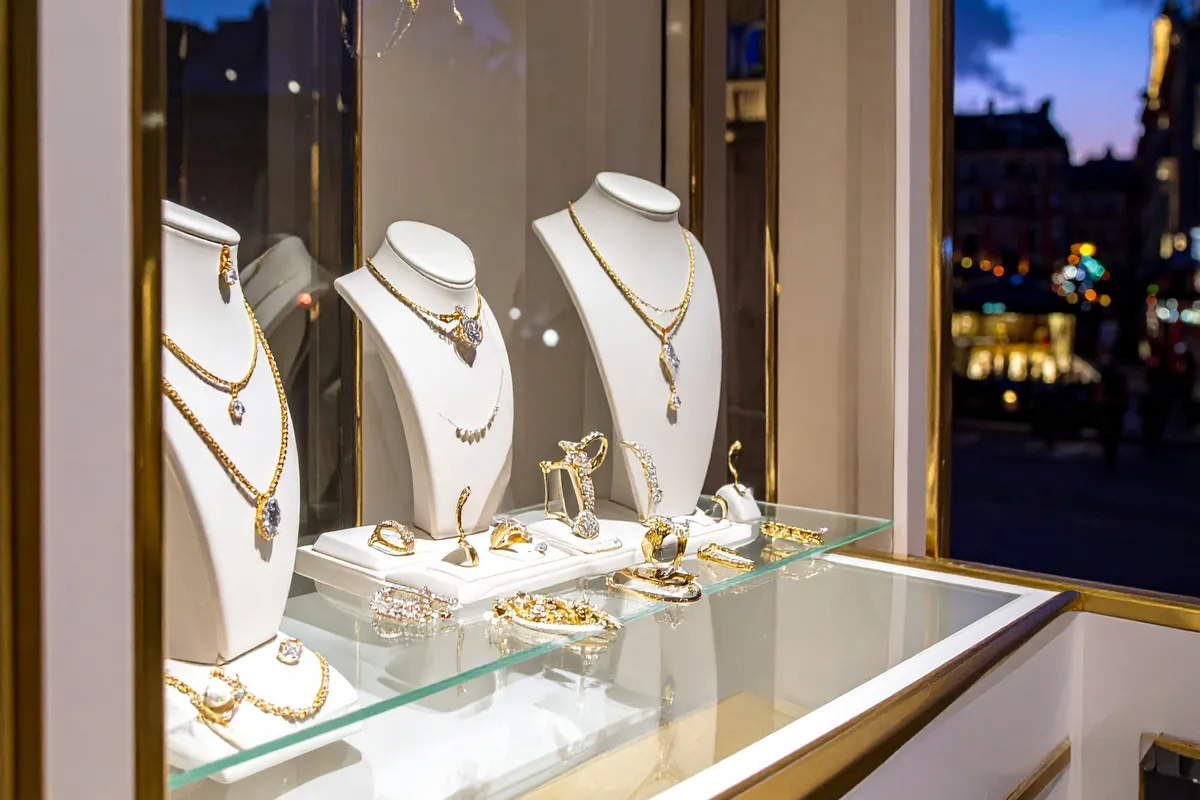
There’s a moment most people don’t talk about when they decide to sell jewelry NYCthat pause before you walk through the door, piece in hand, wondering if you’re about to get a fair deal or leave money on the table. It’s a legitimate concern. The city has no shortage of buyers, but not all of them are working in your interest. After years of watching sellers make the same avoidable mistakes, it’s clear that a little preparation goes a long way.
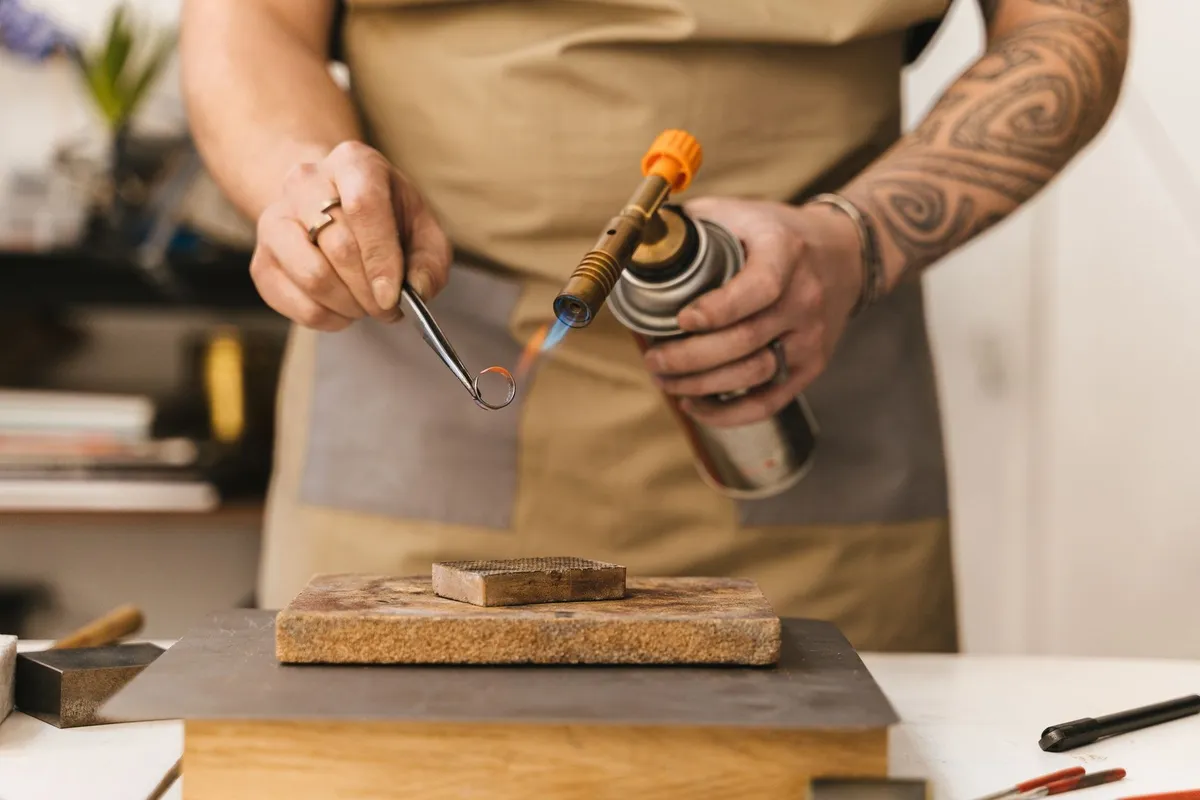
The Piece in Your Hand Is Worth More Than You Think, and Less Than You Hope
Here’s the honest truth: most people walk in either dramatically underestimating their jewelry or carrying expectations shaped by what they paid at retail. Neither is useful.
Retail price and resale value are two completely different conversations. A diamond ring that cost $4,000 at a jewelry store doesn’t resell at $4,000. That original price included the retailer’s markup, the setting labor, the brand premium, and the store’s overhead. What a buyer is evaluating is the intrinsic value, the metal weight, the stone quality, the market demand for that specific item right now.
That said, some pieces genuinely surprise people. Vintage and estate jewelryfor example, often carries collector value that goes beyond just the materials. Signed pieces from known designers, think Tiffany, Cartier, Van Cleef, hold their value exceptionally well. If you’re not sure what category your piece falls into, that’s the first thing worth finding out before you accept any offer.
Why Going In Blind Is the Biggest Mistake You Can Make
Walking into any buyer without a baseline understanding of what you have is like negotiating a salary without knowing the market rate. You can’t tell if an offer is fair if you have no reference point.
Do some homework first. For gold, check the current spot price, it’s publicly available and updates daily. For diamonds, familiarize yourself with the four Cs (cut, color, clarity, carat) and understand that the resale market for diamonds is more complex than gold. Diamonds don’t have a simple spot price the way metals do, which means the buyer’s expertise and integrity matter more.
If you have branded or luxury piecesa Rolex, for instance, the calculus changes entirely. A Rolex Submariner or a Rolex Daytona isn’t just metal and glass. These watches have a secondary market with real demand, and a knowledgeable buyer will price them accordingly. Going to a general pawn shop with a luxury watch is one of the most common ways people leave serious money behind.
It’s also worth reading up on the hidden costs that can quietly eat into your payoutfees, commissions, and deductions that some buyers bury in the fine print.
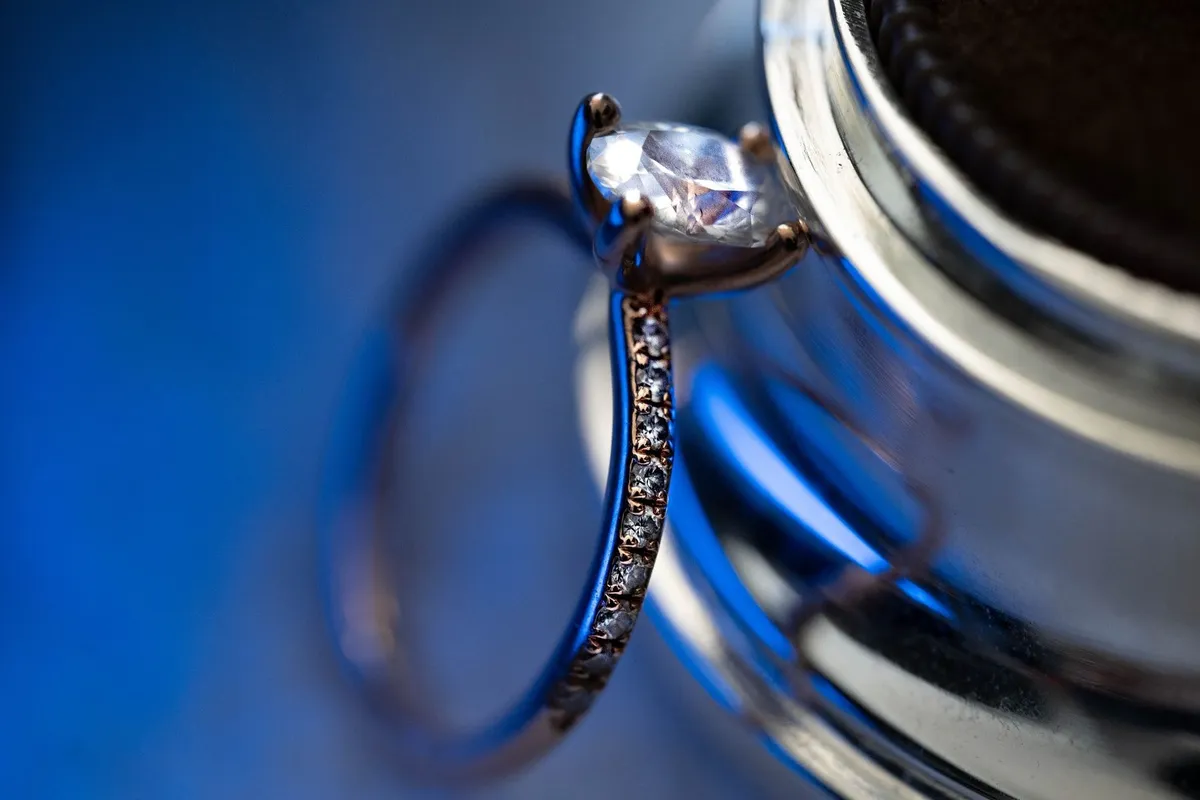
Not All Buyers Are the Same, and the Difference Is Real Money
New York has every type of buyer imaginable: pawn shops, estate dealers, online platforms, auction houses, and dedicated jewelry buyers. Each operates differently, and each has a different relationship with your bottom line.
Online platforms sound convenient, but they often involve shipping your valuables, waiting days for an appraisal, and then negotiating remotely, with no guarantee of what happens if something goes wrong in transit. Auction houses can get strong prices for exceptional pieces, but they take significant commissions and there’s no guarantee your item sells at all, or on your timeline.
A reputable local buyer, one with a physical location, transparent process, and a track record you can verify, tends to offer the most straightforward experience. Buyers of New York, based in Midtown Manhattan, have built a reputation on exactly this kind of straightforward dealing. Customers consistently mention feeling respected and informed throughout the process, not pressured or rushed. That matters more than people realize when you’re sitting across a table from someone making an offer on something that has real value to you.
Knowing how to spot a genuine buyer before you commit is one of the most useful things you can do ahead of your visit.
Timing, Condition, and Documentation, The Three Things That Move the Needle
Once you’ve found a buyer you trust, there are three practical factors that directly affect the offer you receive.
Timing matters more than most sellers realize. Gold prices fluctuate, and selling during a period of strong metal prices can meaningfully increase your payout. It’s not about trying to perfectly time the market, it’s about being aware of where prices are trending before you walk in.
Condition is straightforward: clean your jewelry before bringing it in. Not a deep professional clean, just a gentle polish to remove surface grime. A piece that looks cared for signals to a buyer that it’s been maintained. It won’t change the metal weight, but it can influence how a buyer perceives stones and settings.
Documentation is where many sellers leave money behind. If you have the original receipt, a GIA certificate for a diamond, original packaging for a luxury watch, or any provenance paperwork, bring it. Documentation reduces uncertainty for the buyer, and reduced uncertainty almost always translates to a stronger offer. A Rolex with its original box and papers is worth meaningfully more than the same watch without them.
The sellers who walk away most satisfied are almost always the ones who came prepared, not just with the piece itself, but with knowledge, documentation, and realistic expectations. That combination puts you in the strongest possible position, regardless of what you’re selling.
Frequently Asked Questions
If I paid $4,000 for a diamond ring, is that what a buyer in NYC will offer me?
No, retail price and resale value are two separate things entirely. The original $4,000 covered the retailer’s markup, setting labor, brand premium, and store overhead, none of which a buyer is paying for when they evaluate your piece. What actually gets assessed is the intrinsic value: the metal weight, the stone quality, and what the market is willing to pay for that specific item right now.
How do I know if my offer from a NYC buyer is actually fair before I accept it?
For gold, check the current spot price before you walk in, it’s publicly available and updates daily, so you have a real reference point. For diamonds, the process is more complex because there’s no simple spot price the way there is for metals, which means the buyer’s knowledge and honesty carry more weight. Going in without any baseline is the fastest way to accept an offer you shouldn’t.
Is it worth going to a pawn shop in NYC if I have a Rolex or other luxury watch to sell?
It’s one of the most common ways people leave serious money behind, according to the article. A Rolex Submariner or Daytona has a real secondary market with genuine demand, and a general pawn shop is unlikely to price it accordingly. You need a buyer who specifically understands the luxury watch market to get an offer that reflects what the piece is actually worth.
Does having the original box and paperwork for my jewelry or watch actually change the offer I get?
Yes, and the difference can be meaningful, the article specifically notes that a Rolex with its original box and papers is worth more than the same watch without them. Documentation reduces uncertainty for the buyer, and less uncertainty almost always results in a stronger offer. If you have a GIA certificate for a diamond, original receipts, or any provenance paperwork, bring all of it.
Should I clean my jewelry before bringing it to a buyer in NYC?
A gentle polish to remove surface grime is worth doing before your visit, not a deep professional clean, just enough so the piece looks cared for. It won’t change the metal weight, but it can affect how a buyer evaluates the stones and settings. The sellers who walk away most satisfied are consistently the ones who came prepared, and presentation is part of that.
Get Directions to Buyers of New York
🎧 Listen to this as a podcast
Also on Apple Podcasts, Spotify, and Amazon Music.